
The problem we address
Gambling addiction in the Philippines has grown fast, and help hasn’t kept up.
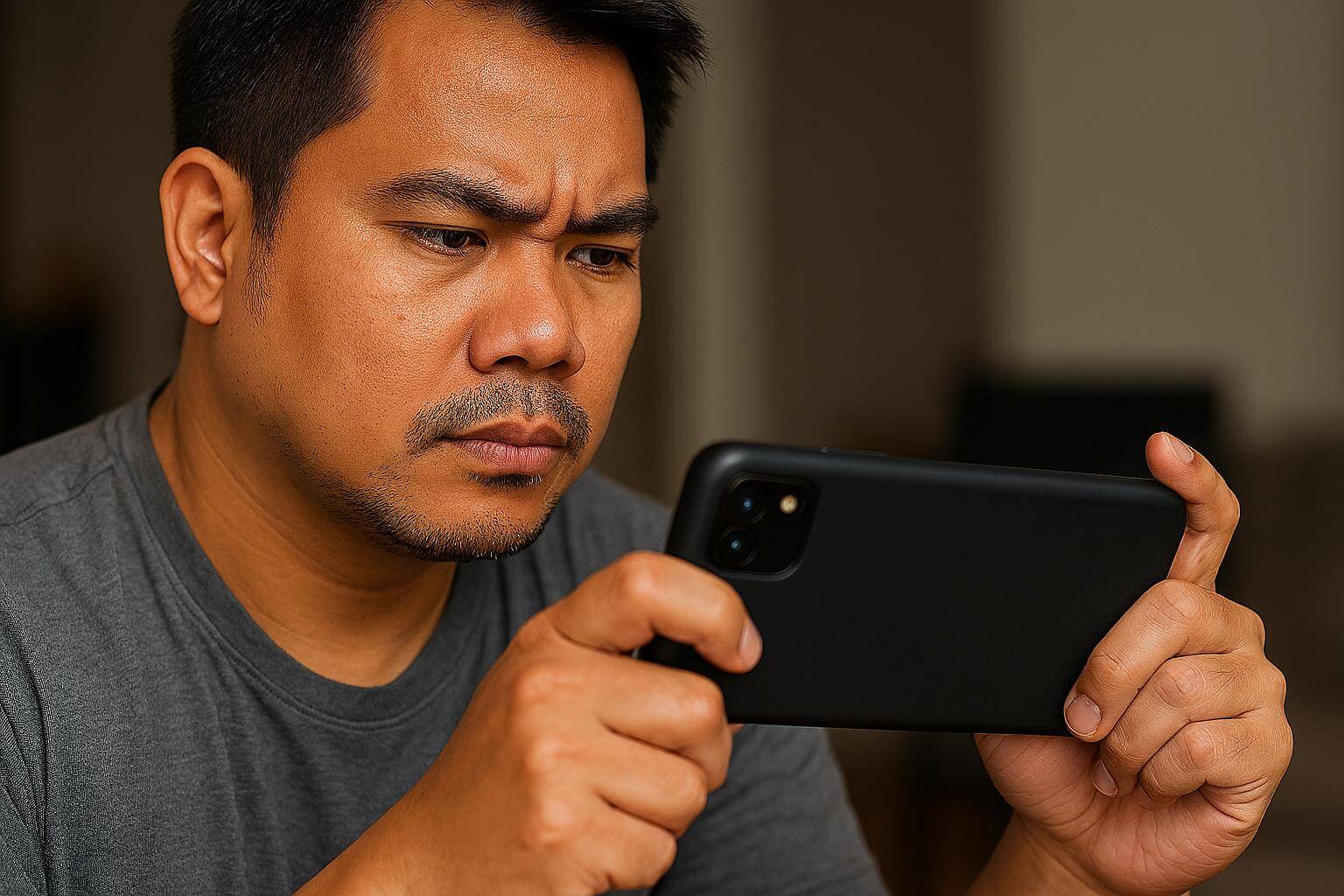
Gambling addiction in the Philippines
Gambling participation in the Philippines has increased sharply in recent years, driven largely by the rapid expansion of online and mobile platforms. Senate hearings and data from the Philippine Amusement and Gaming Corporation (PAGCOR) indicate that over 32 million Filipinos engaged in online gambling between January and May 2025, nearly one-third of the country’s population and a 291% increase from 2024.
Health and mental health professionals have warned that gambling addiction is increasingly treated as a serious mental health concern, with documented links to anxiety, depression and suicidal ideation, particularly among vulnerable individuals and younger adults.
Impact on individuals, families and communities
Research and case studies consistently show that gambling-related harm extends beyond individual behavior. Studies involving Filipino adults engaged in online gambling reveal a strong correlation between problem gambling and heightened anxiety, with participants reporting escalating debt, emotional distress and reduced work productivity.
Families often experience broken trust, marital conflict and financial instability. At the community level, impacts include increased demand for social services, financial vulnerability among low-income households and long-term disruptions to family well-being.
Online gambling revenue in the Philippines was projected to reach ₱480 billion in 2025.
Online gambling: risks and accessibility
Electronic games accounted for more than half of total gambling revenues in the first half of 2025. High smartphone use and widespread e-wallets have removed many traditional barriers, so people can place bets anytime and anywhere.
Experts note that constant availability, frequent promotions and fast transactions can accelerate harmful gambling and make recovery harder without early intervention.
Gaps in awareness, prevention and support
Despite rising participation and harm, gambling addiction is not yet formally recognized as a public health issue in the Philippines. This limits the scale of prevention, early detection and treatment programs available nationwide.
Many individuals and families lack clear information, preventive education and affordable, recovery-focused resources. Academic and community-based studies point to the need for accessible interventions that emphasize awareness, early action and ongoing support.
Why this matters
Addressing gambling-related harm takes more than regulation. It calls for education, early intervention and accessible pathways that help people recognize risks, make informed choices and seek support before harm escalates.
Bantay Pusta Foundation, Inc. exists to meet these needs by promoting awareness, supporting access to recovery-oriented tools and building healthier, more resilient communities across the Philippines.
See our programsWorried about your gambling, or someone else’s?
You don’t have to work it out alone. Call or message us and we’ll help you find support, including recovery meetings and peer groups such as GA Pilipinas.
- 0915 587 5888Bantay Pusta Foundation
- info@bantaypustafoundation.orgWe reply as soon as we can
- 1553If you’re thinking of harming yourself, call the NCMH Crisis Hotline (also 0919 057 1553), any time